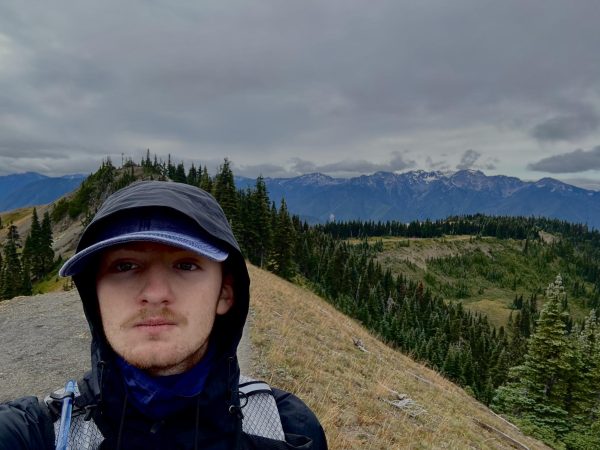


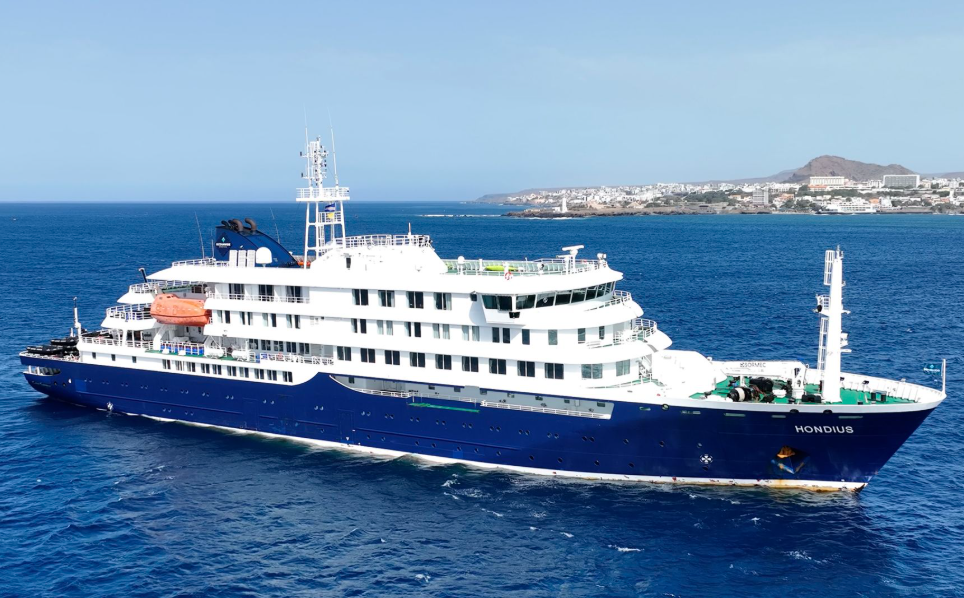
Public health authorities are currently digging into a troubling cluster of hantavirus cases linked to an expedition cruise through South America. Several deaths among passengers sparked immediate alarm, forcing experts to reexamine safety protocols for remote travel. Rodents residing in these wilderness regions act as primary carriers for the pathogen, shedding the virus through urine, droppings, or saliva. People who stepped off the ship to explore rural trails or abandoned cabins likely encountered contaminated dust, inhaling particles that cause severe illness. Symptoms typically begin like a standard flu, manifesting as muscle aches, intense fever, and fatigue. To be honest, things turn dark quite fast. Patients soon struggle to breathe as the situation escalates into Hantavirus Pulmonary Syndrome. That is a life-threatening respiratory failure. Medical professionals confirmed that human-to-human transmission is not a typical concern here, which distinguishes this outbreak from more common cruise ship ailments like norovirus. It just works that way in nature. Experts emphasize that the vessel itself was likely clean, pointing instead to specific shore excursions where contact with infected wildlife occurred. Travelers caught the virus while hiking or visiting isolated inland structures. The situation remains grim for those affected.
Following these fatalities, general anxiety spiked across the tourism industry. Worried passengers are canceling upcoming bookings, desperate to avoid potential exposure in distant, unmonitored environments. Reliable tracking teams remain on the ground to monitor anyone who shared the voyage, ensuring they receive care before symptoms reach a critical threshold. Officials clearly state that the risk to the broader global population stays low, yet the incident serves as a brutal reality check for adventure seekers. Exploring remote landscapes demands a high degree of awareness regarding local hazards. Wildlife interactions are inherently unpredictable, especially in regions known to harbor rodent populations. Health boards advise tourists to steer clear of dusty enclosures, avoid touching nests, and practice rigorous hygiene while trekking through wild terrain. Maintaining distance from animal habitats provides the best protection against infection. Knowledge saves lives here. Despite the panic surrounding the cruise, standard safety measures remain effective against these rare viral threats. Caution is the price of admission for off-the-grid travel. Whether hiking through dense brush or entering old storage areas, vigilance is required to prevent accidental exposure to contaminated particles. Staying informed about local health alerts before departure drastically reduces danger. Adventure tourism attracts people looking to escape modern life, but that isolation brings natural risks that deserve respect. History shows us that even infrequent diseases create massive ripples of fear when travel logistics pull them into the spotlight. Vigilance keeps travelers safe. Dealing with nature requires humility, preparation, and careful movement during every single trek into the unknown wilderness of these southern continents. That is the reality.