


As Thanksgiving season arrives, many families across the country prepare for warm meals, big gatherings, and time spent together. But in recent years, the way people celebrate Thanksgiving has been changing. While some families still enjoy the traditional holiday, others choose not to celebrate it at all, and their reasons are becoming part of a larger conversation.
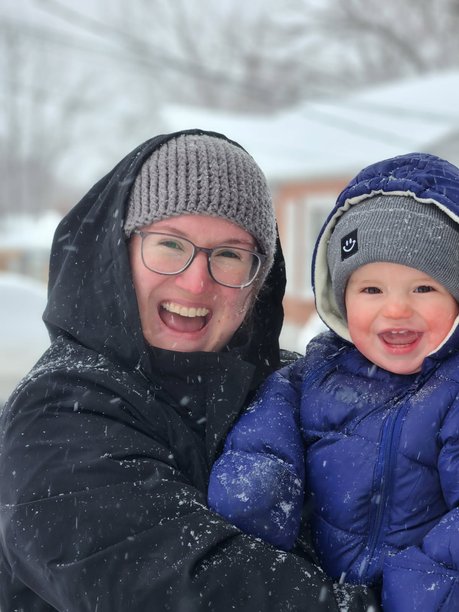
For many people, Thanksgiving is still an important tradition. They look forward to cooking favorite dishes, traveling to visit relatives, and taking a break from school or work. These families often see Thanksgiving as a chance to slow down and appreciate the people they care about. Some enjoy the history they were taught about the holiday, and others simply like having a day focused on gratitude.
However, not everyone celebrates Thanksgiving in the same way—or at all. Some people feel uncomfortable with the holiday because of its connection to the history between early settlers and Native American communities. They believe the holiday ignores the harm done to Indigenous people and prefer to spend the day learning, reflecting, or supporting Native groups. Others skip the holiday for personal or cultural reasons. Some families come from backgrounds where Thanksgiving has never been part of their traditions, so they treat it like any other day. There are also people who don’t celebrate because of family conflicts, busy schedules, or simply feeling that the holiday doesn’t have the same meaning for them anymore.
As times change, Thanksgiving continues to mean different things to different people. For some, it remains a day filled with food, family, and gratitude. For others, it is a reminder to think carefully about history or to create new traditions that feel right for them. No matter how people choose to spend the day, the conversations around Thanksgiving are shaping how the holiday will be understood in the future.