


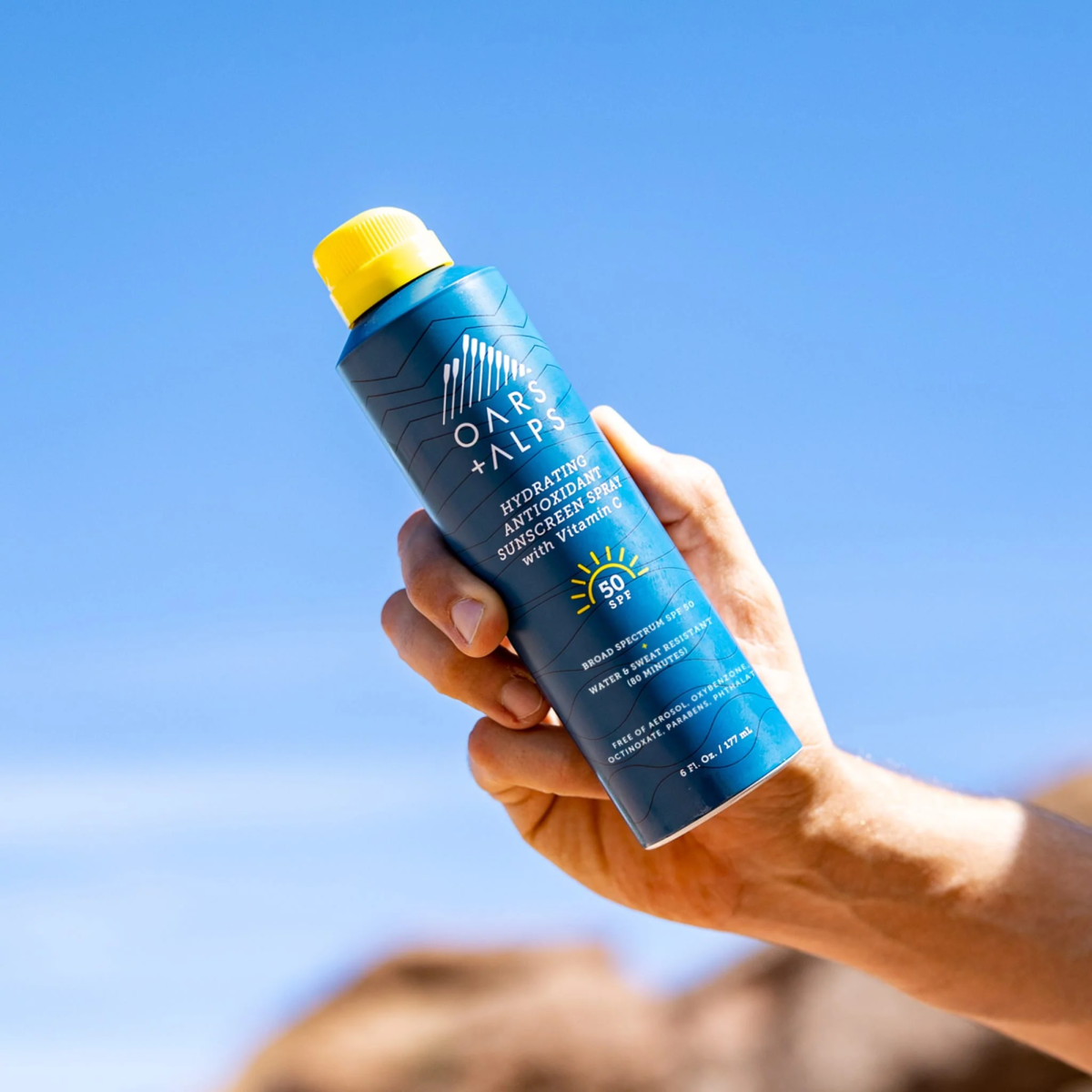
Blue light is a component of visible light, with shorter wavelengths and higher energy than other colors. It’s commonly emitted by digital screens and artificial lights, as well as the sun. It’s commonly referred to as HEVL, or high-energy visible light, is a type of light within the visible spectrum, specifically in the blue-violet and blue-turquoise range. It’s known for its potential to cause premature skin aging and other issues. Physical sunscreens block blue light from penetrating the skin while chemical sunscreens tend to be less effective at this, Toy says. But physical sunscreens can leave a chalky white film, which some people find unsightly.
For people with sensitive skin, finding a suitable sunscreen can be especially challenging. Davis recommends avoiding chemical products that contain avobenzone and oxybenzone, as these may irritate the skin.
they could be:
- Hypoallergenic
- Mineral-based (zinc oxide or titanium dioxide, for example)
- Fragrance-free, alcohol-free and paraben-free
- Labeled as being suitable for sensitive skin
For all their intricate beauty, tattoos don’t offer any sun protection and can actually sensitize you to the sun. “If anything, (having a tattoo) will make you more sun-sensitive or offer no protection at all,” says Dr. Debra Jaliman, a New York City-based dermatologist. In particular, yellow and red inks contain a chemical called cadmium sulfide, which can cause skin rashes or scaly, flaky skin when exposed to the sun.
It’s surprisingly easy to miss a spot when slathering on sunscreen. Be sure to pay attention to key areas that receive a lot of sun exposure, including your:
- Face
- Lips
- Hairline, especially if you’re not wearing a hat
- Tops of the ears
- Back of the neck
- Throat and chest
- Hands
- Tops of the feet