

Those Women left behind.
In the summer of 1963, over 250,000 people congregated at the Lincoln Memorial in Washington, D.C. Everyone remembers Martin Luther King Jr. And his famous “I Have a Dream” speech, however few remember that Women had a part in organizing the March on Washington. The Women were involved in planning the event, transporting people to Washington and bringing civil rights groups together. Without the efforts of these Women, the March on Washington would not have been nearly as successful. There were Women like Ella Baker who was an organizer who brought people together and gave them leadership training. Fannie Lou Hamer was an activist who risked her life fighting for the right of the South to vote. Although Women were never able to gain the notoriety as some male counterparts, their contributions had an impact on the Civil Rights Movement. The Women who participated in the Civil Rights Movement, did make a difference. For quite some time the contributions of Women during the Civil Rights Movement were overlooked as historians focused on leaders like Martin Luther King Jr. Recently historians have gone back to look at personal records and letters to truly comprehend what the Women of the
The Civil Rights Movement really did.
“History isn’t fixed; it continues to change as we uncover more of the narratives of the excluded,” according to Dr. Angela Carter, a social movement historian. Women’s History Month serves to acknowledge the contribution of Women to society. “It’s not so much a celebration of Famous Women but it is ensuring that all contributions are heard, especially those of Women of the Civil Rights Movement.”
Beyond the Lab Coat.
Women have made many contributions to science and medicine. Rosalind Franklin helped to discover the structure of DNA. Although her work was integral to the discovery of DNA she did not receive recognition as some male counterparts at the time. The work of Women like Rosalind Franklin was important to the discovery of DNA. Recently women like Kizzmekia Corbett, have led research that has resulted in COVID-19 vaccines. The work of women like Kizzmekia Corbett have saved the lives of countless people. Women still are underrepresented in certain medical specialties and positions of leadership. According to researcher, Dr. Hannah Lee, it is important that we mentor Women in medicine so that young girls can see that women can be principal investigators leading research facilities. Throughout women History Month, schools and museums attempt to shed light on past and present contributions of women to science and medicine, in the hopes that young people understand that women have been contributing to the world of science forever, and it is just now that the work of these amazing women is being acknowledged.Women’s History Month celebrates Women’s contributions to science and medicine.
Womens History Month across the Globe.
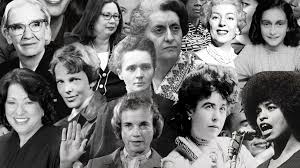
March 8, also known as International Women’s day, is not just a singular holiday, but also acts as the launching point to Women’s History month, observed throughout March in the US. Women’s History month, observed by many, has become a time to commemorate the successes of women.
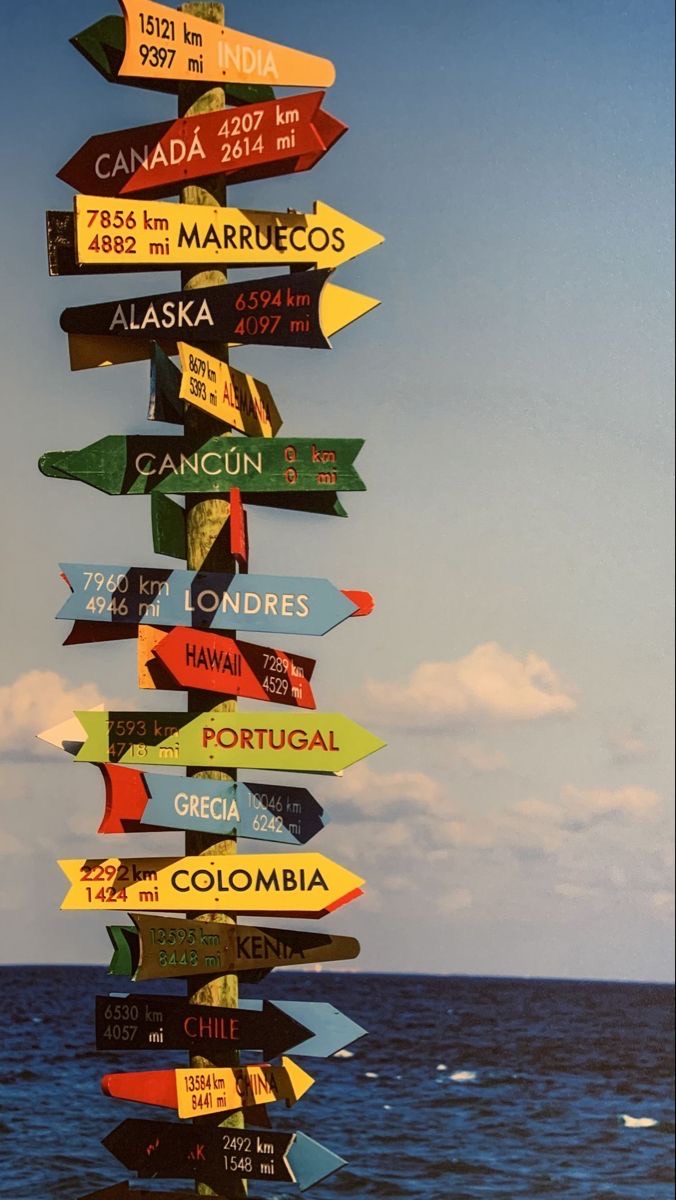
Throughout the world such as in Mexico and India, there are marches, programs, and discussions about the role of women, women’s rights, and women’s achievements. Throughout these events, the buildings of cities in countries around the world glow purple to symbolize justice and equality for women. The goal of these events is both a celebration and a reminder, women have come a long way but, women are still not getting fair treatment in regards to pay, educational opportunities, and leadership positions. “The movement globally demonstrates just how connected women’s struggles are,” says Dr. Priya Natarajan, an international policy researcher. In conclusion, although Women’s History month may appear different in different parts of the world, there is no difference in their intention, which is, to acknowledge women and their contributions.