


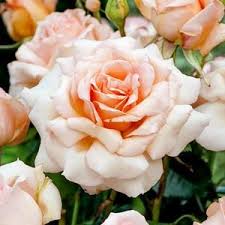
The Rose flower, belonging to the Rosaceae family, can be dated back 35 million years in fossil form, and has over 300 species. It is commonly red in color, but has a variety of colors, such as white and yellow. The flower grows naturally throughout the Northern Hemisphere, thriving in full sun (at least 6 hours) and well-drained, nutrient-rich soil.
The oldest known living rose bush is the Thousand-Year Rose in Germany, growing on the apse of the Hildesheim Cathedral, and estimated to be about 1,000 years old. Legends claimed that it was discovered around 815 AD by Emperor Louis the Pious, the son of Charlemagne. He reportedly found a holy relic that he’d lost, tangled in the rose bush, and made the decision to build a chapel there.
Surprisingly, many common edible fruits, particularly pome fruits and stone fruits, belong to the Rosaceae family. These include apples and pears, peaches and cherries, and strawberries and raspberries. Some ornamentals and shrubs also belong to the same family: spirea, firethorn, and hawthorn.
Members of the Rosaceae family are defined by mostly alternating, serrated leaves with stipules, and the flowers typically possess five sepals, five petals, numerous stamens, and a distinct cup-shaped structure called a hypanthium.
Fun fact, during the 15th-century, there was an English civil war between the York (white roses) and the Lancaster (red roses) families, which was named the War of the Roses. It ended with Henry Tudor’s (Henry VII) victory and the rise of the Tudor dynasty.