

Mother’s Day, as celebrated in the United States, was officially established in 1914 when President Woodrow Wilson signed a proclamation declaring the second Sunday of May a national holiday celebrating the sacrifices mothers make.
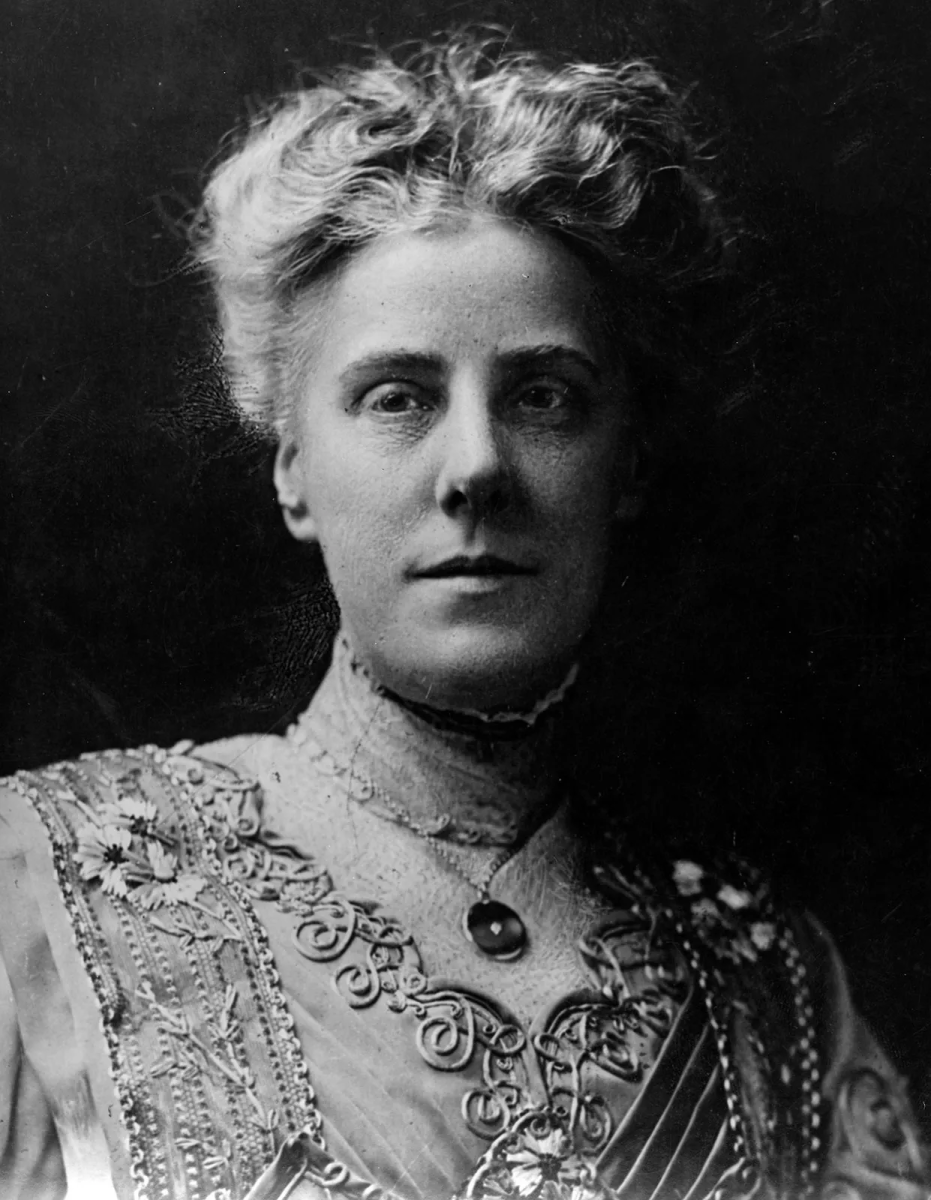
Its founder was Anna Jarvis, whose efforts and campaign inspired thousands of people to adopt Mother’s Day as an annual holiday before it was even added to the national calendar. Following the death of her mother, Ann Jarvis, in 1905, an activist who helped battle high infant mortality and improve sanitary conditions, Anna Jarvis conceived Mother’s Day. The first Mother’s Day, celebrated before it became a national holiday, was held on May 10, 1908, at St. Andrew’s Methodist Church in Graffon, West Virginia. That same day, many people attended a Mother’s Day event at one of John Wanamaker’s retail stores in Philadelphia. The man had been a crucial supporter of Anna Jarvis in establishing Mother’s Day, acting as a financial backer.
Unfortunately, to Anna Jarvis’s dismay, the holiday was capitalized on by florists, card companies, and other merchants for its popularity. Her vision of celebrating involved wearing a white carnation as a badge and visiting one’s mother or attending church services, yet it was commercialized. Anna Jarvis spent the latter part of her life protesting against Mother’s Day’s intense commercialization, being arrested in 1923 after disrupting a confectioner convention in Philadelphia, and a 1925 arrest after protesting a convention of the American War Mothers who were selling carnations to raise funds, and filing numerous lawsuits by the 1930s.
She passed away on November 24, 1948, in a sanitarium in West Chester, Pennsylvania, following a period of illness and financial hardships. Anna Jarvis was buried at West Laurel Hill Cemetery in Bala Cynwyd, Pennsylvania, alongside her mother, sister, and brother.