

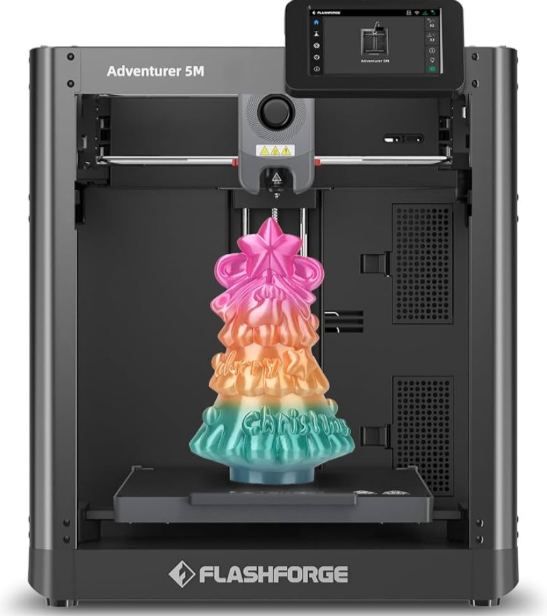
3d printers are a now relatively widespread type of machine that is used for production for many things that are sold around the world and is a hobby of many in their homes.
A 3d printer is a machine that uses an extruder or nozzle to bring a given material to its melting point and release it to make an object as the plastic cools and almost immediately solidifies where it was left. The materials used are generally types of plastic with polylactic acid, or PLA, being the most common. There are many variations of PLA that are shinier, stronger, or more flexible to go along with other types of plastics, foam, and silicon. You buy these filaments in a spool that feeds to the extruder as it needs more and the extruder generally moves around quite a bit so that it can shape the print layer by layer. To get a 3d printer to make a specific item, you must send the file over and it automatically adds supports and designates its layers.
Despite this being a decently affordable and easy way for people to make things, 3d printing does have some flaws that make it poor for a larger scale production facility, at least for now. First off, it is very slow. It can take upwards of 30 hours to do a larger or more detailed print with the average 3d printer. Some can go faster but that is expensive and can lead to failed prints. Another disadvantage is that the plastic in the extruder can get bent or cool poorly which could lead to the nozzle getting clogged which can be difficult to fix. Despite 3d printers being a cool way to produce plastic products and being around for a while, they are not too detailed and definitely do not match the precision or speed of injection molding.
3d printing has another less popular type that a lot of people do not know about. Mixing the efficiency of injection mold printing and the dynamic nature of 3d printing is gel printing. Gel printing is a process in which the extruder moves throughout a gel so that it can print without the effects of gravity and can help print details without the needs of supports while printing. The lack of supports helps preserve detail because when supports are removed normally, you can see the marks of where they were.
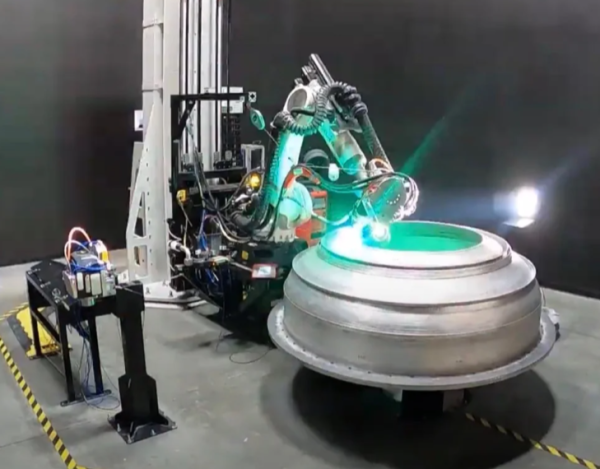
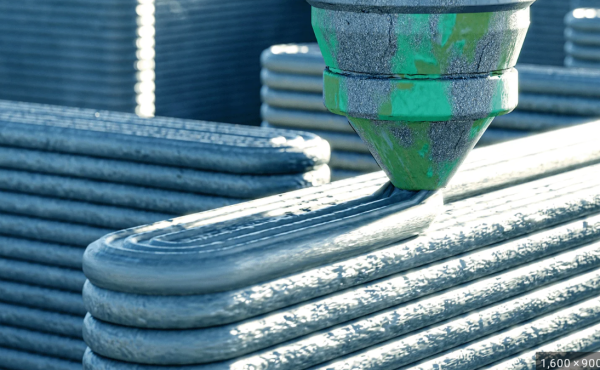
There have been a few unique takes to the 3d printing style in recent years. A few companies have been working to create a cheaper and more eco-friendly way of making a house. They have used a large, crane like structure, to move its own extruder that pushes out concrete so that houses can be quickly made layer by layer. This has met some flaws of cracks forming rather quickly because it is still a process in early development. A company called Relativity has been trying to make the world’s first 3d printed space rockets. They use a very heavily modified technique of pushing out thin layers of metal to form the rockets so that it is more of a higher quality than regular 3d printing. They want to also make sure that these rockets are reusable and do not need to be cast aside after a single mission.