

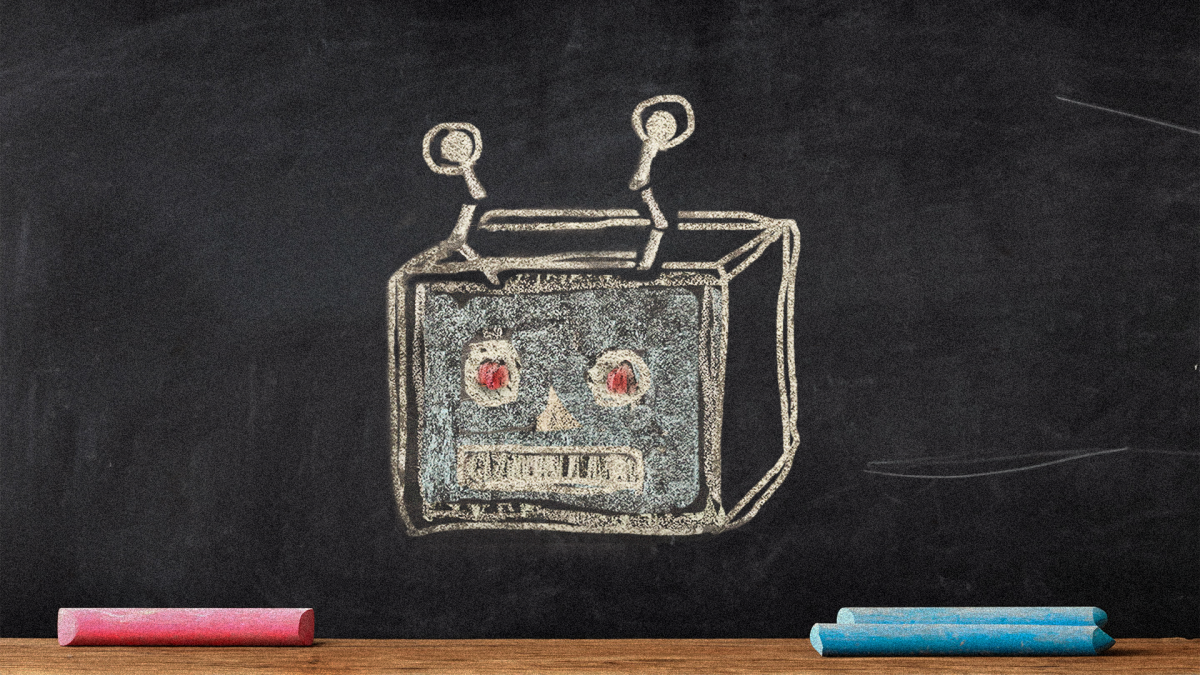
The new public AI technology is changing classrooms across the country. With the new tools like ChatGPT becoming more common, teachers are beginning to worry students may be using them for completing assignments. In response to the AI use by students, schools are beginning to use AI detection software such as GPTZero, ZeroGPT, and Turnitin’s AI indicator to catch students that are using the AI. However, these software programs are far from perfect, and recent implications by students suggest they may be causing more problems than solutions. AI detection software works by analyzing patterns in writing and estimating the likelihood of a text being produced by AI. But research and independent testing have shown that these software can produce false positives, incorrectly labeling human-written essays as AI. In some reported cases strong academic writing, highly structured essays, or work written by non-native English speakers has been flagged even when the students have written it themselves. There have also been reports of universities investigating or penalizing students based on AI detection scores, only to later question the reliability of those results.
As a result, students have been reporting feeling pressured to change their own writing style so that it is not flagged as AI. Instead of students focusing on improving their writing, they worry about whether their work sounds “too good” or “too formal.” Some students have reported running their own work through AI detection software before submission so they can revise it to lower the AI score. This raises concerns: are AI detection softwares protecting academic integrity, or are they halting students’ academic possibilities and forcing them to “dumb down” their work? Many experts have argued that instead of schools relying heavily on the faulty detection software, schools should focus more on the writing process itself, such as requiring drafts, outlines, and revisions, and teach students how to use AI responsibly and ethically. AI is not going away, and it can be a very powerful learning tool if used properly. The real challenge at hand for schools is finding a balance between maintaining academic honesty and ensuring honest students are not unfairly accused.
If detection tools remain unreliable, they may do more harm than good, shifting the focus from learning and growth to simply avoiding suspicion. To test how reliable these AI detection tools really are, this story was run through an AI checker in three different versions. The version you just read was flagged as 44.36% AI generated. However, the original draft of this same article written by me was flagged as 100% AI generated. The ideas, topic, and overall message were the same, but small changes in wording and structure produced completely different results. So what does that tell us? If a piece of writing can shift from fully “human” to fully “AI” just based on minor edits, it raises serious questions about how accurate and fair these tools truly are.