

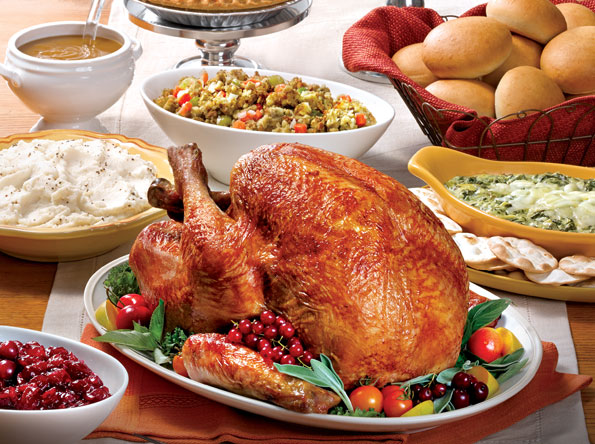
Thanksgiving is often seen as a day for turkey, mashed potatoes, and pumpkin pie. But for many families, the holiday table looks a little different. Across our community, students and their families mix their own cultural foods and traditions with the classic American Thanksgiving meal.
For some, the kitchen smells of spices and family history. “My family is from Mexico,” said junior Sofia Ramirez. “Along with turkey, we always make tamales and rice. My mom says it wouldn’t be Thanksgiving without them.”
Other families combine flavors from across the world. Students with Filipino backgrounds might serve pancit noodles and lumpia next to the stuffing. Families from India might enjoy biryani or samosas alongside the turkey. “We like to mix Indian food with American food,” said senior Arjun Patel. “It’s like the best of both worlds.”
For many, Thanksgiving is less about what’s on the table and more about who’s sitting around it. Families from China, Korea, or Vietnam might serve traditional dishes like dumplings, rice, or noodles to represent long life and good fortune. “We still eat turkey,” said sophomore Grace Lee, “but my grandma always makes fried rice and kimchi too.”
Even students from Middle Eastern or African backgrounds bring their own twists. Some families make dishes like couscous, injera, or kebabs to celebrate the day. “We make lamb and share stories about what we’re thankful for,” said junior Ahmed Hassan. “It’s about being together.”
No matter what’s served, the meaning behind the day stays the same — gratitude, family, and sharing. In every culture, Thanksgiving is a reminder to slow down and give thanks for what we have.
In the end, the holiday isn’t just about turkey or pie. It’s about how people from all backgrounds come together, blending old traditions with new ones to make Thanksgiving their own.