

 Mrs. Blevins, a science teacher at Page High School, is making an impact that reaches far beyond the classroom. For her, fostering children isn’t just something she does — it’s a calling that has shaped her family and helped change the lives of dozens of children and parents along the way. Her journey into foster care began with faith and a lifelong passion for advocating for kids. Inspired by Psalm 82:3, “Defend the weak and the fatherless; uphold the cause of the poor and the oppressed,” she and her husband felt led to take action.
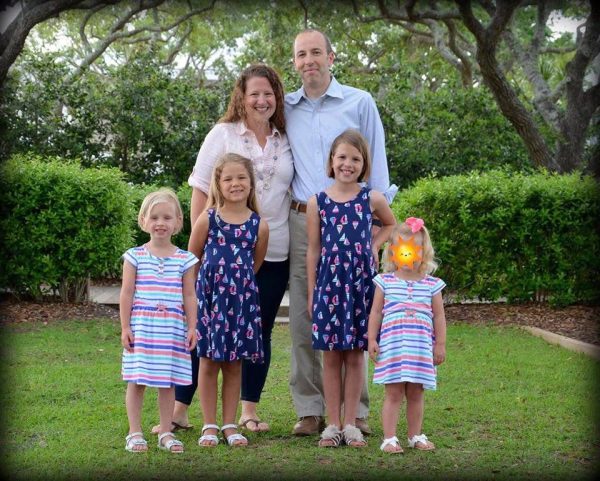
“I have been an advocate for kids in every part of my life: camp counselor, babysitter, teacher, volunteer,” she said. After experiencing two difficult pregnancies with her biological daughters, she knew her family was complete biologically, but not emotionally. “My husband and I still had plenty of love to give and space in our hearts to fill.” In 2012, despite uncertainty about what they were stepping into, the family completed training and welcomed their first foster placement. Since then, fostering has become, in her words, “part of the fabric of our family.” What has surprised her most over the years is what she finds most rewarding. While many people assume the greatest impact comes from caring for the children, she points to the importance of working with biological parents. A key part of foster care is “shared parenting,” where foster parents communicate and collaborate with children’s birth families, something many prospective foster parents initially fear.
 “I quickly came to realize that most children in foster care aren’t there because their parents don’t care,” she explained. “It’s often because they don’t have the skills to be successful parents.”
She began stepping outside her comfort zone to mentor parents, especially young single mothers, helping them learn practical life skills such as budgeting, grocery shopping, home upkeep, and building supportive community networks. More than a decade later, the impact continues. “I still receive updates from moms I mentored over 10 years ago,” she said. “They’ve gotten custody back, gone to college, gotten married, become incredible parents, and just want to say thank you.” Moments like those make her feel she is helping repair what can sometimes feel like a broken system. She is also quick to challenge common misconceptions about foster care. One of the biggest myths, she says, is that children in foster care are “bad kids.”
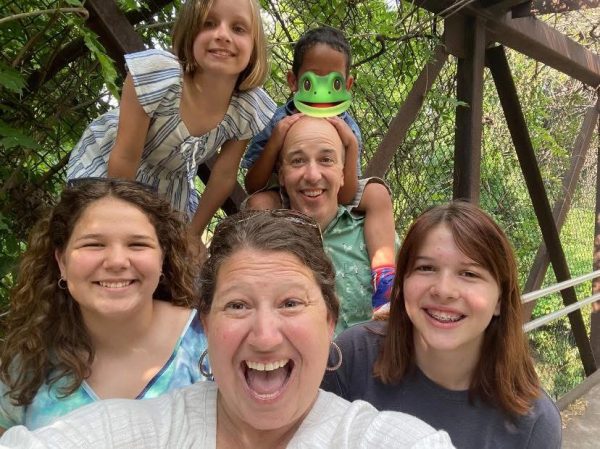
“This couldn’t be further from the truth,” she said. “These children are amazing. They are full of joy and love. It is absolutely no fault of their own that they have been placed in foster care.” Another common concern is emotional attachment. Many adults say they could never foster because they would get too attached. Her response is simple: “Getting attached is the whole point.” She believes children thrive when they feel loved and secure, even if the placement is temporary. While reunification can be heartbreaking, she celebrates when children safely return home. “All kids want to go home to their biological families,” she said. “They deserve that if it’s where they can be safe and thrive, even when my heart breaks when they leave us.” Fostering hasn’t just changed her. It has shaped her entire family. Her biological daughters and adopted daughter have grown up in a home centered on empathy and service.
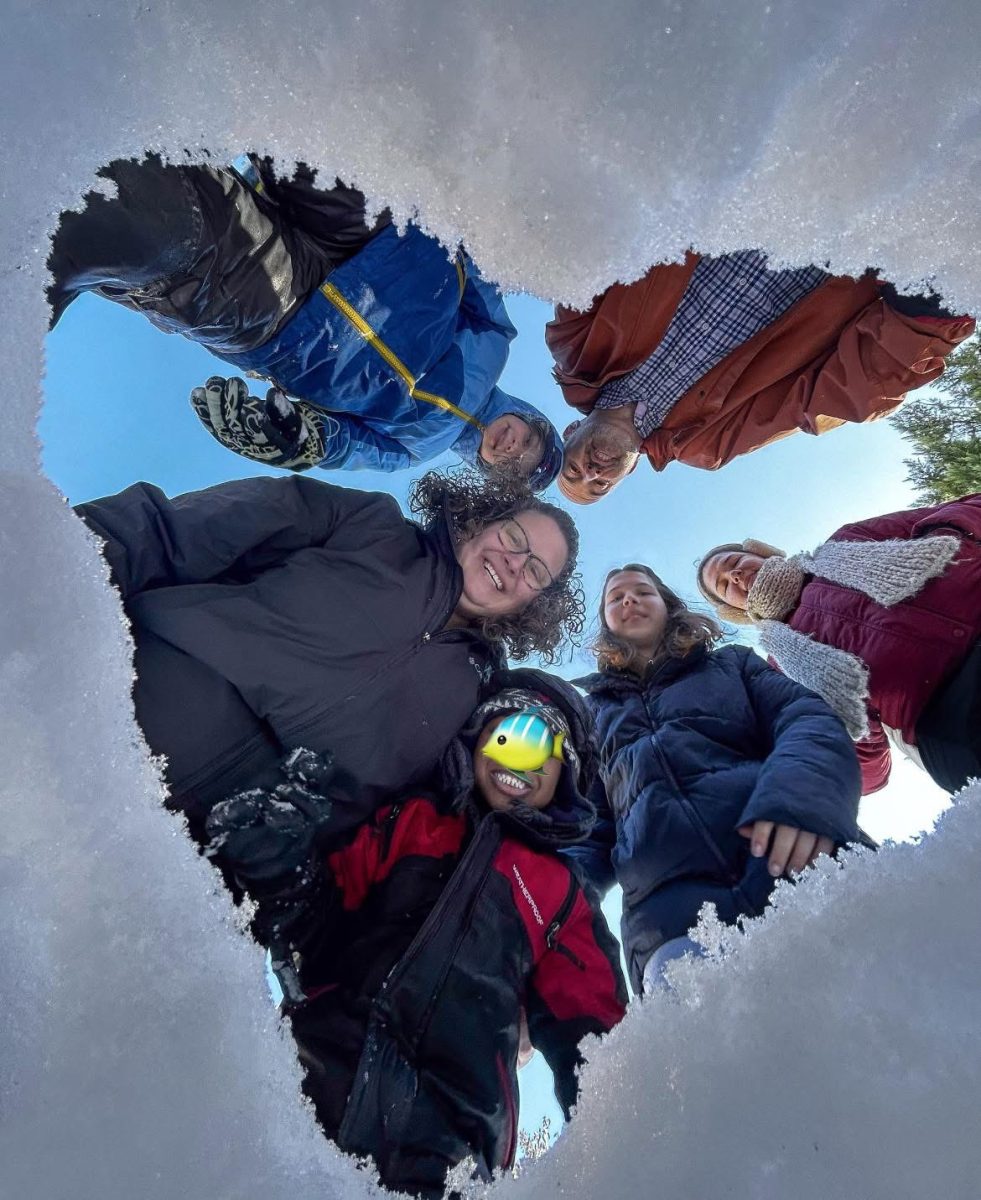
“My whole family, we all see people,” she said. The experience has deepened their compassion and gratitude. “All of us love bigger and give more because we realize how blessed we have been.” Between placements, the entire household weighs in on whether to continue fostering, and every time, the answer is yes. “It is who we are,” she said. Among her favorite memories are the small but powerful “firsts” she gets to witness with young children: a first trip to the beach, the thrill of a first roller coaster ride, or the first time catching snowflakes on their tongue. “Every single moment is stored in my heart and comforts my soul when these children do leave us,” she said. “These memories are mine to keep, and that is enough.” Through both her classroom and her home, Mrs. Blevins continues to prove that sometimes the biggest impact starts with simply opening your heart.