

Thanksgiving, a national holiday celebrated mainly in America.The holiday was proclaimed by President Abraham Lincoln on the last Thursday of November in 1863, who had been inspired by the long-time campaign of Sarah Josepha Hale. However, it was later changed by President Franklin D. Roosevelt to be set on the fourth Thursday of November in 1941.
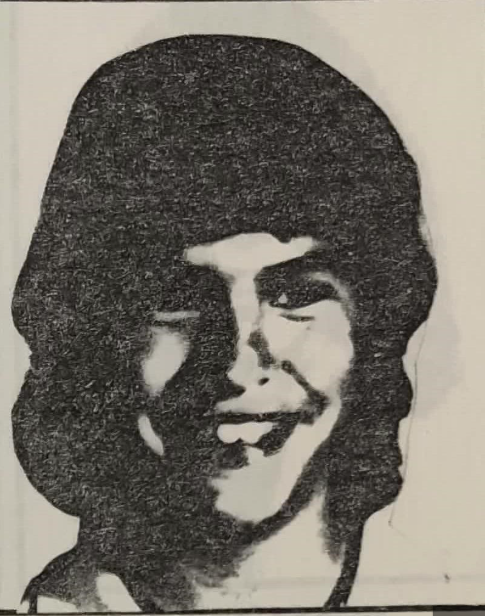
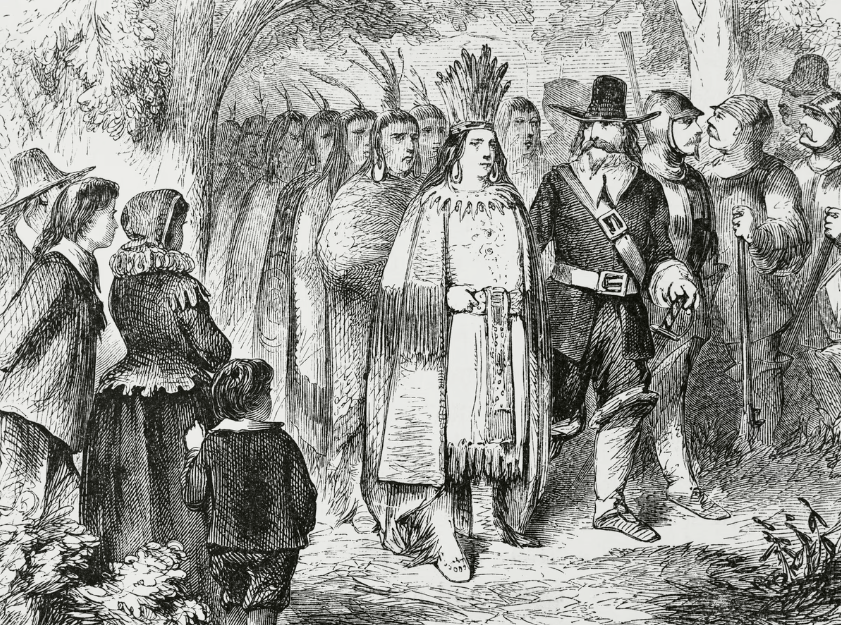
Thanksgiving has its roots in 1621, when a harvest feast was shared by English colonists (Pilgrims) and a native group in America (the Wampanoag people). This affair sealed an uneasy peace treaty between the two, very culturally different groups, which lasted until King Philip’s War, between 1675 and 1676, in which thousands of Native Americans lost their lives. The Wampanoag National Day of Mourning originated in 1970 when the speech of “Wamsutta” Frank James was censored during the 350th anniversary of the Pilgrims’ arrival, deemed inappropriate for detailing the oppression and diseases brought by the settlers to the Native Americans. With his refusal to read a revised and censored speech that harmonized the original feast, he was uninvited, leading to a protest on Cole’s Hill in Plymouth, Massachusetts, that became the first annual National Day of Mourning.
This protest was an annual demonstration held to educate the public about Native Americans, notably the Wampanoag and other tribes. The National Day of Mourning’s purpose was to dispel inaccurate truths and myths surrounding the Thanksgiving story in the United States and raise awareness about the ongoing struggles faced by the indigenous tribes.
In Conclusion, because of the inaccuracies about the original Thanksgiving feast between the Pilgrims and the Wampanoag tribe, and the refusal to admit the racism and oppression towards the Indigenous tribes, the National Day of Mourning was created as a protest and a way to remember the history of Native Americans and the people who died during the European Colonization.